The question we hear most often from architects and MEP consultants isn't "should we use smart lighting?" It's "which protocol should we specify?" Traditional DALI or Casambi — or both? The answer depends on your building type, your client's priorities, and honestly, your own comfort with wireless technology.
What they actually are
DALI (Digital Addressable Lighting Interface) is a wired digital control protocol standardised under IEC 62386. It's been the go-to professional lighting control bus for over two decades — reliable, well-understood, and supported by virtually every commercial luminaire manufacturer on the market. DALI-2 is its current generation, adding stricter device certification and full bidirectional feedback.
Casambi is a Bluetooth 5 mesh network designed specifically for lighting control. Each Casambi device — driver, switch, sensor — acts as a node in a self-healing mesh. There's no central controller, no dedicated control cable, and no wall-mounted panel required. The entire network is configured and operated from a smartphone or tablet app.
Critically, Casambi is not a replacement for DALI — it's a complement to it. Most Casambi drivers speak DALI natively on their output side, adding wireless control on top of the existing wired bus.
Where traditional DALI wins
Absolute reliability
Wired is wired. A DALI bus running through conduit has no RF interference, no channel congestion, and no dependency on Bluetooth range. For applications where lighting control must be guaranteed — emergency lighting, operating theatres, data centres — traditional DALI wiring provides an irreplaceable certainty.
Established commissioning tools
DALI has decades of tooling behind it. Most electrical contractors in India are familiar with DALI commissioning software from manufacturers like Osram, Philips, and Helvar. If your commissioning team is traditional DALI-trained and the project is straightforward, there's no reason to force a new workflow.
Pure DALI works fine for simple zoning
If your client needs a handful of preset scenes, occupancy-based switching in a standard office floorplate, and nothing more — a traditional DALI system with hardwired push buttons is cost-effective and maintainable by any qualified electrician. Adding Casambi on top of a simple system can be unnecessary overhead.
Where Casambi wins
No control cable required
This is the most practically significant difference in Indian construction. Retrofitting a wired DALI control bus into a building that's already finished — or adding zones to an existing installation — means chasing walls, pulling new conduit, and significant civil works. Casambi eliminates this entirely. Battery-powered switches, wireless sensors, and mesh-networked drivers mean commissioning a new zone often takes under an hour with no civil work at all.
User-facing flexibility
Casambi's app is genuinely excellent by the standards of lighting control UX. End users can adjust scenes, set schedules, and create automations without calling a system integrator. For hospitality clients, coworking spaces, and boutique retail — where the lighting ambiance changes frequently — this is a meaningful operational advantage.
Rapid commissioning at scale
A Casambi network of 100 luminaires can be commissioned in a day by a single integrator with a smartphone. The equivalent DALI wired network might take a week of bus addressing, panel programming, and scene calibration. On large commercial fitouts where time is money, this difference is significant.
Built-in energy monitoring
Casambi's cloud gateway provides real-time energy data, occupancy analytics, and fault alerts across the entire network — all accessible remotely. For commercial buildings targeting green building ratings (IGBC, LEED, GRIHA), this data stream simplifies energy audits considerably.
A protocol comparison at a glance
Which projects suit which approach
Specify traditional DALI when:
- The building is a greenfield construction with structured cabling already planned
- Emergency lighting circuits require certified DALI-2 emergency gear monitoring
- The client demands BMS integration via hardwired DALI-BACnet or DALI-KNX gateways
- The commissioning team is DALI-trained and the project scope is straightforward
Specify Casambi when:
- The project is a retrofit into a finished space with no available conduit routes
- The client wants app-based control, remote access, and energy dashboards
- Flexibility matters — zones, scenes, and schedules will change over time
- The lighting install timeline is compressed and commissioning speed is critical
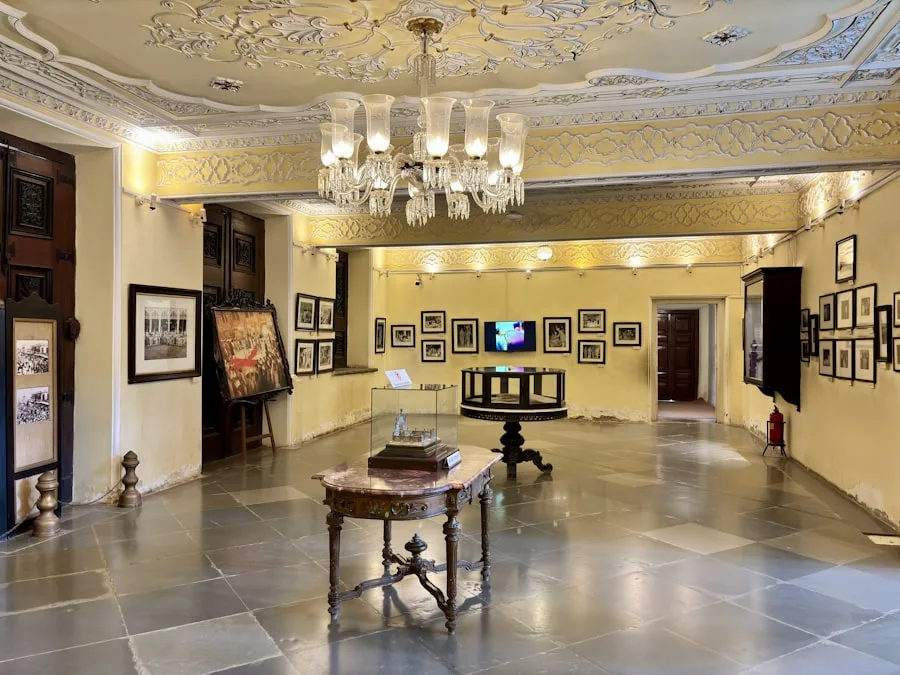
- Heritage or protected structures prohibit structural changes (see our article on this)
Specify both (most common for large commercial):
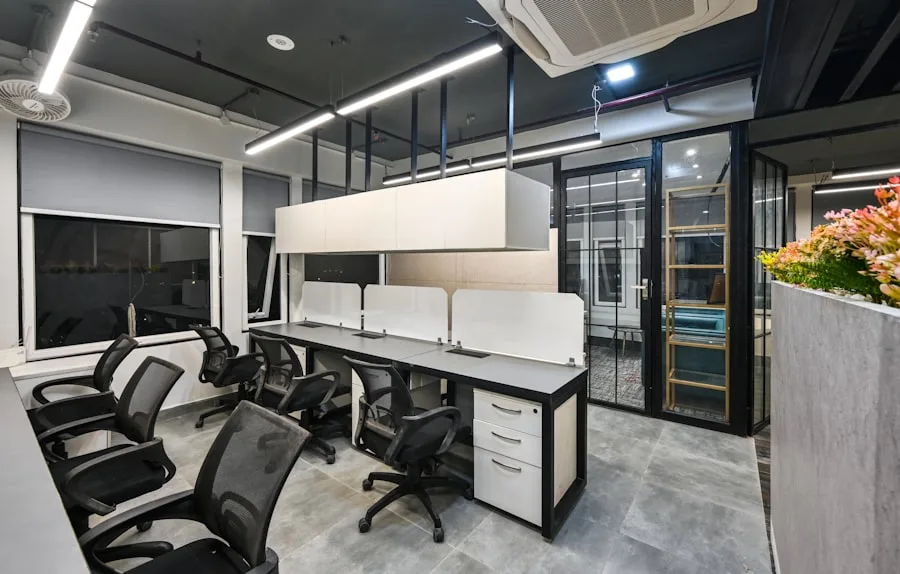
- Large office buildings, hotels, and mixed-use developments
- Any project where DALI drivers are specified but app control and remote monitoring are also required
- Phased fitouts where some floors use wired DALI and others are retrofitted later
The Indian market reality
In India's commercial segment, Casambi is gaining ground rapidly — especially in Tier 1 cities — but DALI remains the dominant specification in large institutional and government projects. Most mid-to-high-end commercial fitouts in Mumbai, Bangalore, and Delhi that we encounter are now specifying Casambi Bluetooth mesh as the control layer, running over DALI-2 drivers.
The shift is driven partly by client expectations (smartphone control is now an expected feature, not a premium), partly by retrofit economics (most commercial construction in India is renovation, not new build), and partly by the speed of commissioning as project timelines tighten.
If you're specifying a commercial building in India today and aren't at least evaluating Casambi as the control layer, you're probably leaving meaningful value on the table — both for your client and for your project timeline.